Every minute, 22 young girls are pulled out of childhood and pushed toward marriage — a devastating practice fueled by poverty, inequality, and harmful social norms. Yet it’s a reality girls face in many countries and cultures around the world: becoming a wife before they’ve reached adulthood.
Around the world, 12 million girls are married each year before their 18th birthday.
Child marriage may be a traditional practice in some cultures, but it’s devastating on many levels, robbing girls of their education, health, and freedom to choose their own future. When a girl is married young, it limits her ability to finish school, earn an income, and break the cycle of poverty. Often, she becomes a mother too young as well, putting her own health — and her child’s — at risk.
When childhood is exchanged for survival
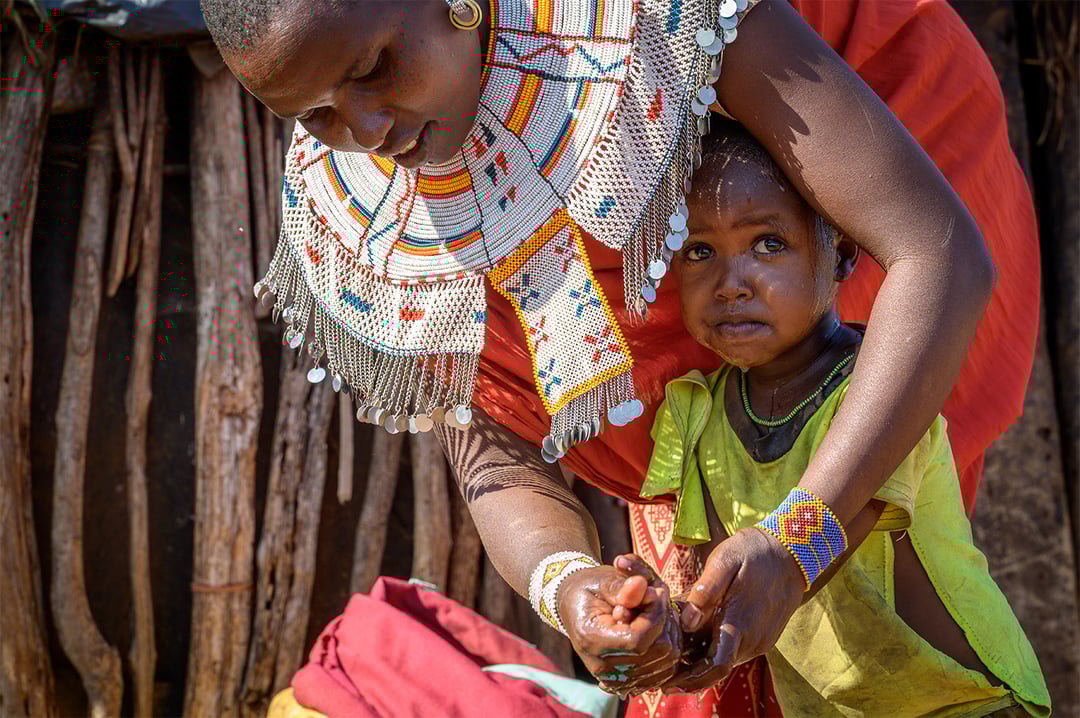
In Kenya, child marriage remains a harsh reality for families facing economic hardship. In some parts of the country, it’s customary for parents to marry their young daughters to older men, receiving livestock or other forms of much-needed payment known as a “bride price” in exchange — which is exactly what happened to Naidimu.
When she was just 14 years old, her father arranged for her to marry a man in his 30s. Naidimu wasn’t ready to leave her family, but she had no choice. “I was so scared,” she says. “My mother and sisters cried because they couldn’t help.” On her wedding day, her husband’s family brought cows to her parents in exchange for Naidimu’s hand in marriage — her bride price. From that day forward, her future was no longer her own.
A different path is possible
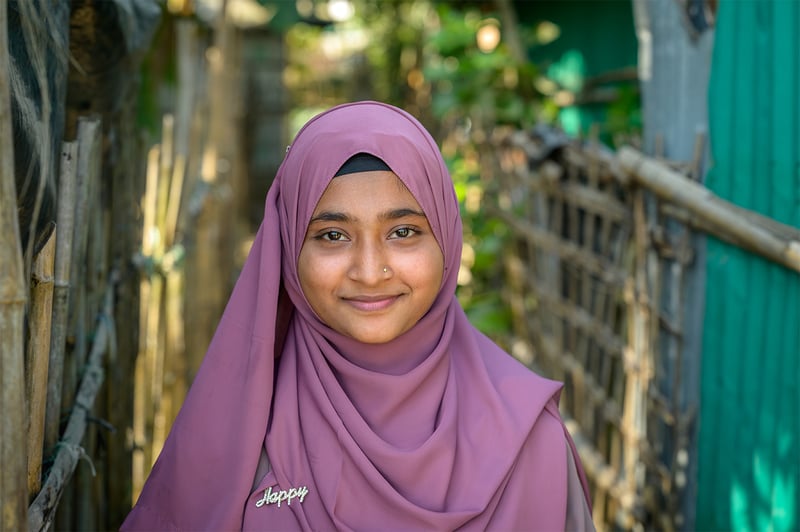
But change is possible, and it’s happening one story at a time. In Bangladesh, 16-year-old Nur lives in a small fishing village, facing a future that could have looked like Naidimu’s. But when she enrolled in a 12-week training program through World Vision, things began to change.
In a series of life-skills training classes, Nur discovered her voice and her worth, learning ways to tap into her own potential. She began to imagine a new future — not as someone’s wife, but as a child of God free to pursue her own dreams. Now, she’s made an agreement with her family to stay in school, with plans to get a medical degree. She’ll make the decision to marry if, when, and whom she chooses.
Changing minds isn’t easy, particularly when traditions like child marriage have deep roots in a culture. But by addressing the root causes with a multi-sector approach, transformation is taking place. World Vision seeks meaningful change by focusing on five pillars that empower girls, families, and communities to shift cultural norms.
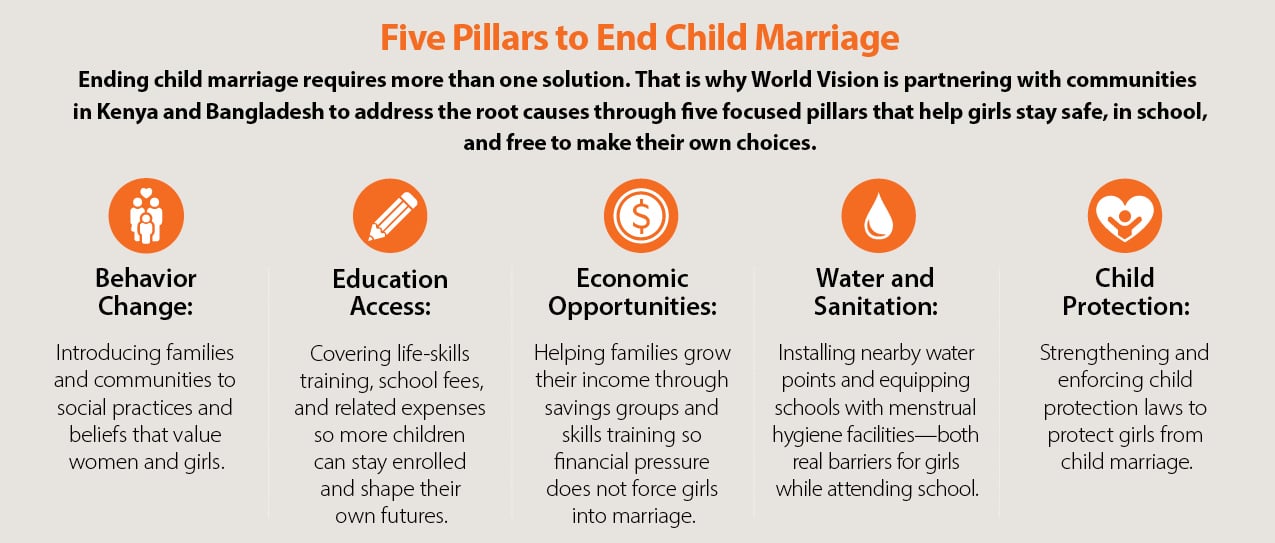
Together, through your partnership and God’s grace, we’re committed, by 2030, to help end child marriage and harmful practices everywhere we work in Kenya and in parts of Bangladesh. You can be an important part of this work!
Please prayerfully consider giving to the Big Dream to End Child Marriage. Your gift can help protect girls from harmful practices, restore the freedom of childhood, and equip communities to break free from extreme poverty. Gifts are matched up to $450,000 by our generous donor partner, Linda Palmer, who shares a passion for ending child marriage. Together, we can change the future for girls by protecting their childhood and removing barriers that keep them from reaching their God-given potential.